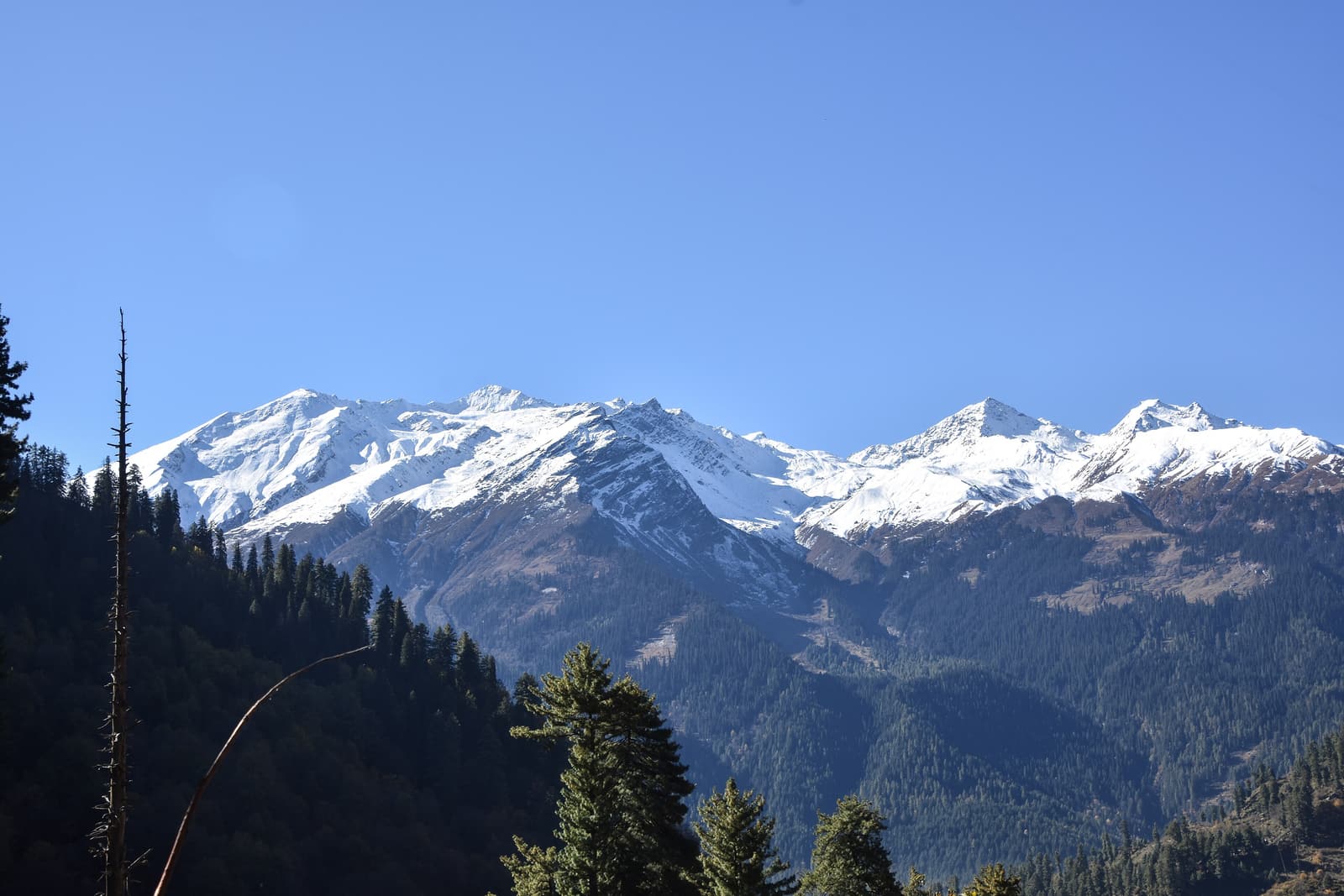
Most visits to Kasol are trouble-free. When things do go wrong, the cause is nearly always one of five things: monsoon weather, the river, trekking alone, the road or drugs. None of them needs to spoil a trip if you know about them in advance.
Risks by season
| Season | Main risks | What to do |
|---|---|---|
| Mar – Jun | Crowded roads, sunburn, snow on high trails early on | Travel midweek; start treks early; ask about snow |
| Jul – mid-Sep | Landslides, flash floods, cloudbursts, closed trails | Keep plans flexible; travel by day; avoid riversides and trekking |
| Mid-Sep – Nov | Cold nights; short days in November | Carry warm layers and a torch; finish walks by 4 pm |
| Dec – Feb | Snow and ice on trails and the Tosh road; freezing nights | Guide and proper gear above the villages; check road status |
Monsoon: landslides and flash floods
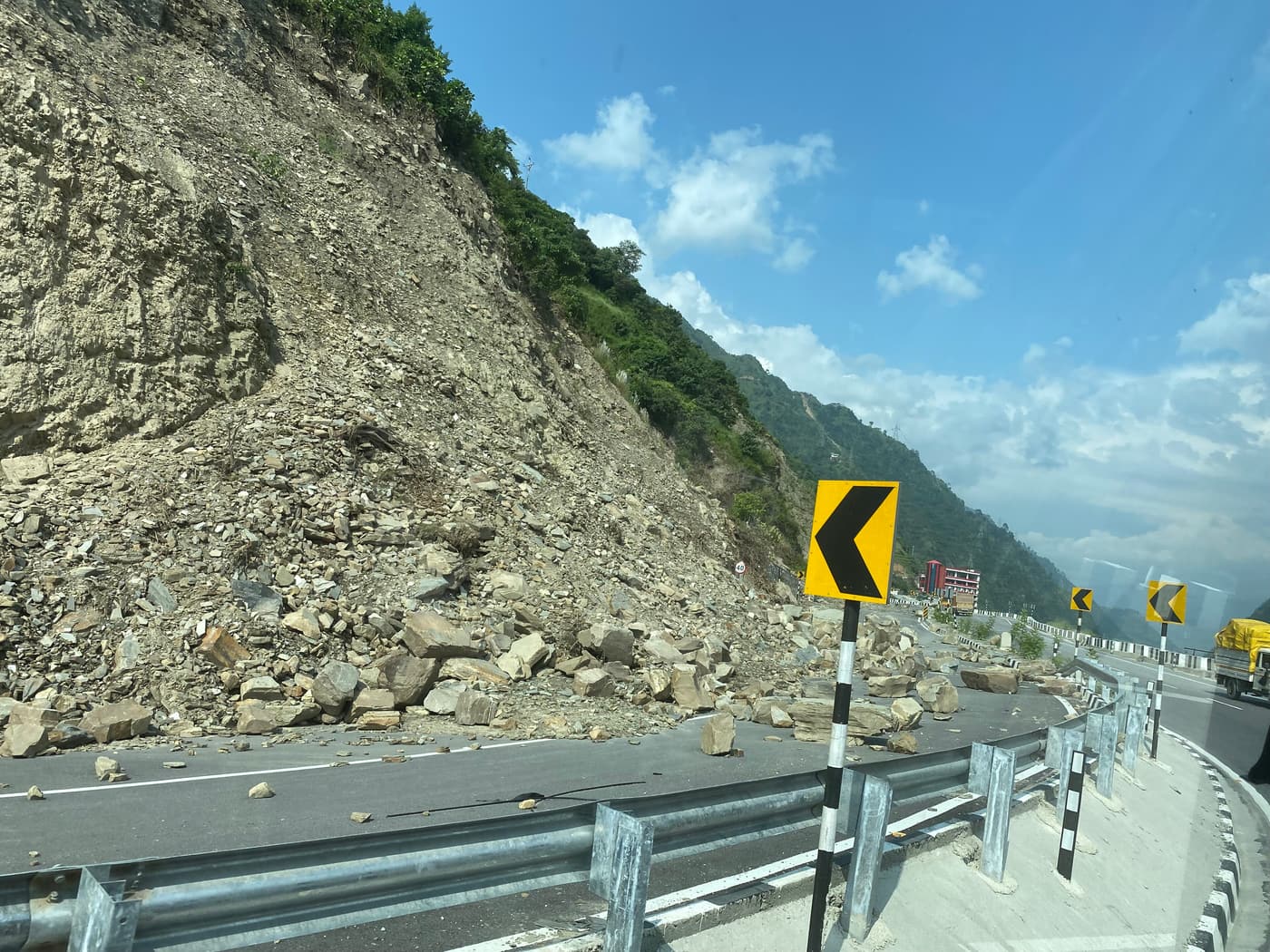
From July to mid-September the Kullu region receives heavy, sometimes extreme, rainfall. Steep slopes above the roads give way, and cloudbursts in side valleys can send a wall of water and debris down a stream within minutes. In recent years floods have destroyed bridges, stretches of highway and hydro-project works in the district, and visitors have been stranded for days.
- Check the India Meteorological Department forecast and local news daily. Take orange and red alerts seriously.
- Travel only in daylight and never during or just after heavy rain.
- Do not stop, park or camp below loose slopes, in stream beds or on the river bank.
- If a road is blocked, wait for it to be cleared. Do not walk across an active slide.
- Build at least one spare day into your return, and book flexible tickets.
- Carry extra cash, a power bank and any medicines you need; ATMs and networks fail when roads do.
- Follow instructions from the district administration and police, including trail closures.
The Parvati river
The river looks inviting and is lethal. It is glacier-fed, extremely cold and far faster than it appears, and its level can rise suddenly when water is released from hydro projects upstream or after rain higher up. People have been swept away while taking photographs on boulders at the edge.
- Do not swim, wade or bathe in the river, anywhere.
- Stay off wet and algae-covered rocks; keep children within arm’s reach.
- Never camp on sandbanks or islands in the river bed.
Trekking safely
Over the years a worrying number of trekkers, Indian and foreign, have disappeared in the Parvati Valley. The common factor is walking alone, off the main trail or late in the day.
- Never trek alone. Join others or hire a local guide.
- Leave your route and expected return time with your guesthouse, and register at check posts.
- Start early and be off the trail before dark.
- Stay on the main path; shortcuts in steep forest are where people fall.
- Turn back in rain, snow or cloud. The trail will be there another day.
- Do not trek under the influence of alcohol or anything else.
Trail details are in our treks guide.
Altitude
Kasol and the villages are too low to cause altitude sickness. Kheerganga (about 2,950 m) occasionally gives mild headaches. Sar Pass (about 4,200 m) and Pin Parvati (5,319 m) are high enough for acute mountain sickness: ascend gradually, drink plenty, and descend if headache, nausea, dizziness or breathlessness at rest get worse. Descent is the only reliable treatment.
Hot springs
The springs at Manikaran emerge close to boiling point. Use only the pools set aside for bathing, test the temperature first, keep soaks short and avoid them if you have a heart condition or are pregnant.
On the road
- Mountain buses are driven hard. If you are prone to motion sickness, sit forward and take medication.
- Avoid night travel on the Kasol road, by any vehicle.
- If you rent a scooter or motorbike, wear a helmet, carry your licence and do not ride after drinking.
- Agree taxi fares before setting off.
A plain note on drugs and the law
Cannabis (including hashish, or charas), and every other narcotic, is illegal in India under the Narcotic Drugs and Psychotropic Substances Act, 1985. That applies in Kasol, Tosh and Malana exactly as it does in Delhi. Penalties range from fines to long prison terms depending on quantity, bail is difficult, and cases take years. Police run checkpoints on the Bhuntar–Kasol road and search vehicles and bags; foreign nationals face the same law. Do not buy, carry or transport drugs for anyone, and do not accept food or drink of unknown content at parties. This site does not encourage drug use in any form.
Personal safety
- Kasol is generally friendly to solo travellers, including women. Choose accommodation with recent good reviews.
- Do not walk the Chalal forest path or other unlit trails alone at night.
- At parties, watch your drink and go home with people you know.
- Keep your passport, cash and phone on you or locked up; petty theft from rooms and tents does happen.
- Stray dogs and monkeys are usually harmless if left alone; do not feed them.
Respect that keeps you safe
Much friction with local people comes from broken customs. In Malana, touch nothing and no one. In any village, keep out of temples unless invited, and follow requests about alcohol and photography. At Manikaran, cover your head in the gurdwara.
Emergency contacts
- 112 — India’s single emergency number (police, fire, ambulance).
- 108 — ambulance service in Himachal Pradesh.
- 1077 — district disaster management helpline.
- There are police stations in Bhuntar and Kullu and a police presence at Manikaran; the regional hospital is in Kullu.
- Foreign visitors should note their embassy’s emergency number in Delhi before travelling.
Numbers and procedures can change; confirm them with your accommodation on arrival. Travel insurance that covers trekking and evacuation is strongly recommended.