Kasol is open all year, but the valley changes character with the seasons. The two best windows are March to June and mid-September to November. Temperatures below are rough guides for Kasol at 1,580 m; Tosh, Kalga and Kheerganga are several degrees colder.
Season by season
| Months | Weather in Kasol | Good for | Watch out for |
|---|---|---|---|
| March – April | Mild days (roughly 12–22°C), cold nights; blossom | Village walks, Grahan, lower trails; fewer people | Snow still on Kheerganga and Sar Pass early on |
| May – June | Warm days (up to the high 20s°C), cool nights | Kheerganga, Sar Pass, everything | Peak crowds and prices, weekend traffic jams |
| July – August | Monsoon: heavy rain, cloud, humid | Green landscapes, empty cafés, Pin Parvati (experts only) | Landslides, flash floods, road and trail closures |
| Sept – Oct | Clear, crisp; roughly 10–22°C | Best views and trekking; apple harvest | Late-September rain; cold nights at altitude |
| November | Dry, sunny, cold nights; autumn colour | Photography, quiet villages, Tosh | Short days; some homestays start to close |
| Dec – Feb | Cold (around 0–10°C), frost; occasional snow | Snow in Tosh and Kalga, cosy cafés, low prices | Snowed-in trails, frozen pipes, road closures above Barshaini |
Spring: March and April
Fruit trees blossom in Chalal and Kalga, the forests are fresh and the valley is uncrowded outside the Holi and Easter holidays. Lower walks are in good condition. Higher up, winter snow lingers: Kheerganga usually becomes straightforward from some time in April, depending on the year.
Summer: May and June
The most popular season, when the plains are at their hottest. The weather is the most reliable for trekking and Sar Pass is in condition, with snow on the top. The price is crowds: Kasol’s single road jams on weekends, rooms fill and rates climb. Come midweek, book ahead and base yourself outside the village centre.
Monsoon: July to mid-September
The valley is at its greenest and emptiest — and at its most dangerous. Kullu district has seen destructive floods and cloudbursts in recent monsoons, including severe damage to roads and bridges in July 2023 and to the Malana area in 2024. Landslides close the highway and the Kasol road without warning, the river runs brown and high, and the authorities often shut the Kheerganga trail. If you come, keep your plans loose, travel only by day and read our monsoon safety page first.
Autumn: mid-September to November
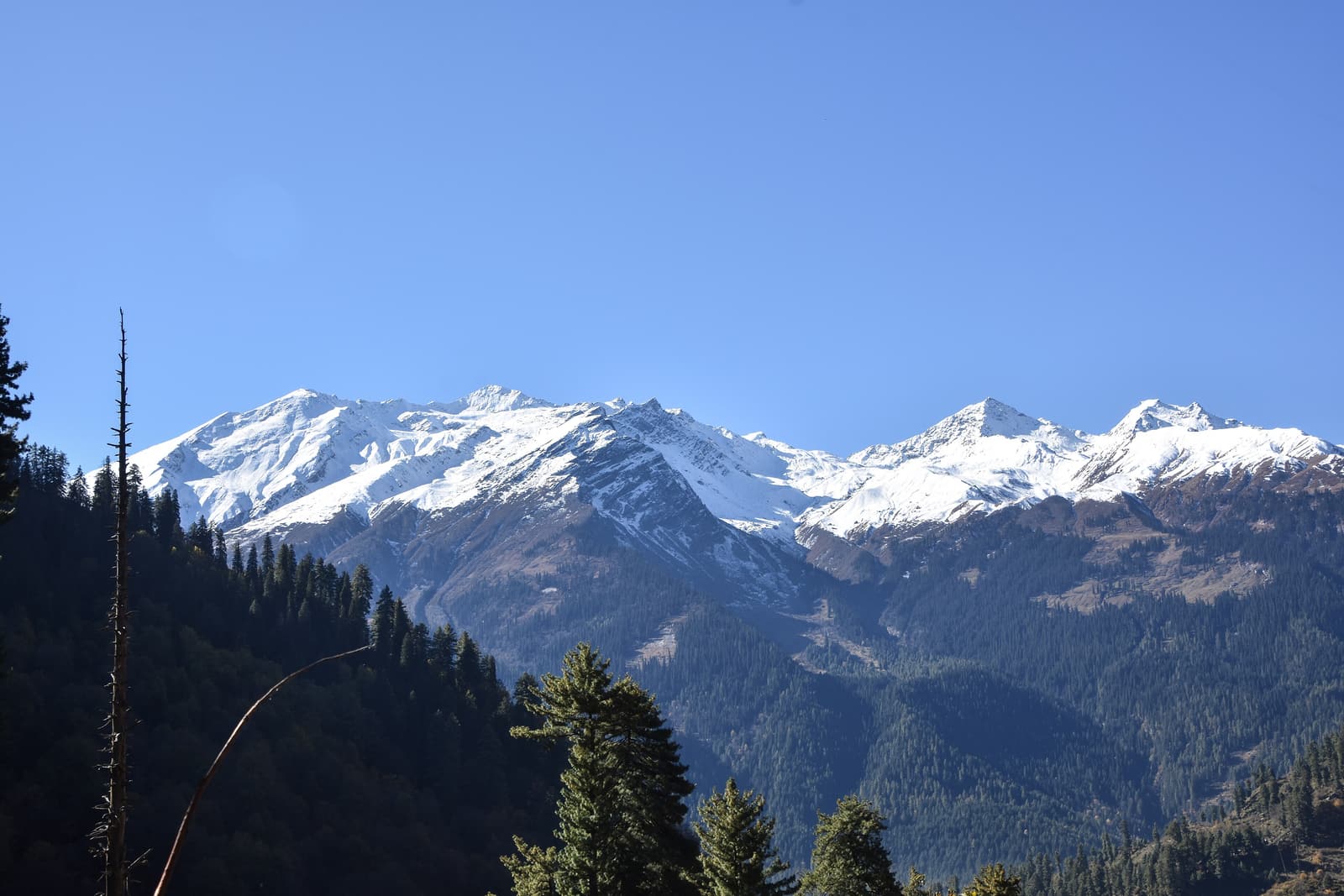
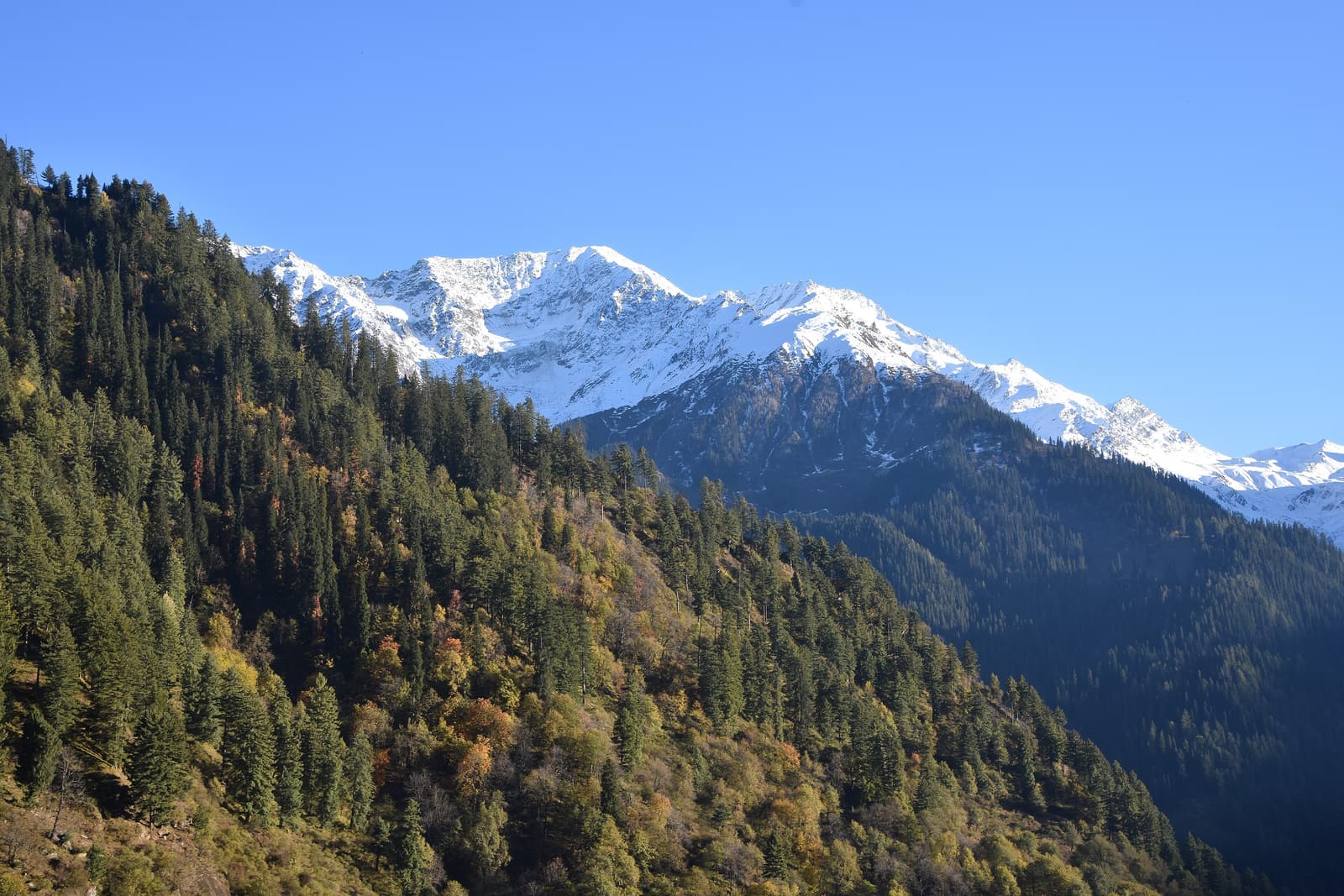
Our favourite time. The rain washes the dust from the air, the peaks above Tosh are sharp against blue sky, apples are being picked in Kalga and the trekking trails are dry. October is busy around the Dussehra and Diwali holidays; November is quiet, golden and cold at night.
Winter: December to February
Kasol is cold and often frosty but sees only occasional snow. For reliable snow go up to Tosh or Kalga. Many rooms have no heating beyond blankets and a wood stove; ask before you book. Kheerganga and all the high treks are for properly equipped, guided parties only. New Year is the one busy week.
Festivals and busy dates
- Baisakhi (mid-April) and other Sikh festivals draw big crowds to Manikaran.
- Kullu Dussehra (October) fills Kullu for a week, as village deities from across the district — including the Parvati Valley — gather there.
- Long weekends from Delhi (Holi, Independence Day, Gandhi Jayanti, Diwali, New Year) are the most crowded and expensive days of the year.